Plan the event with better questions. Leave with proof you can use.
Octus helps event teams decide what matters before the doors open, observe what happens in the room, and turn the result into evidence for sponsors, partners, boards, venues, and the next planning cycle.
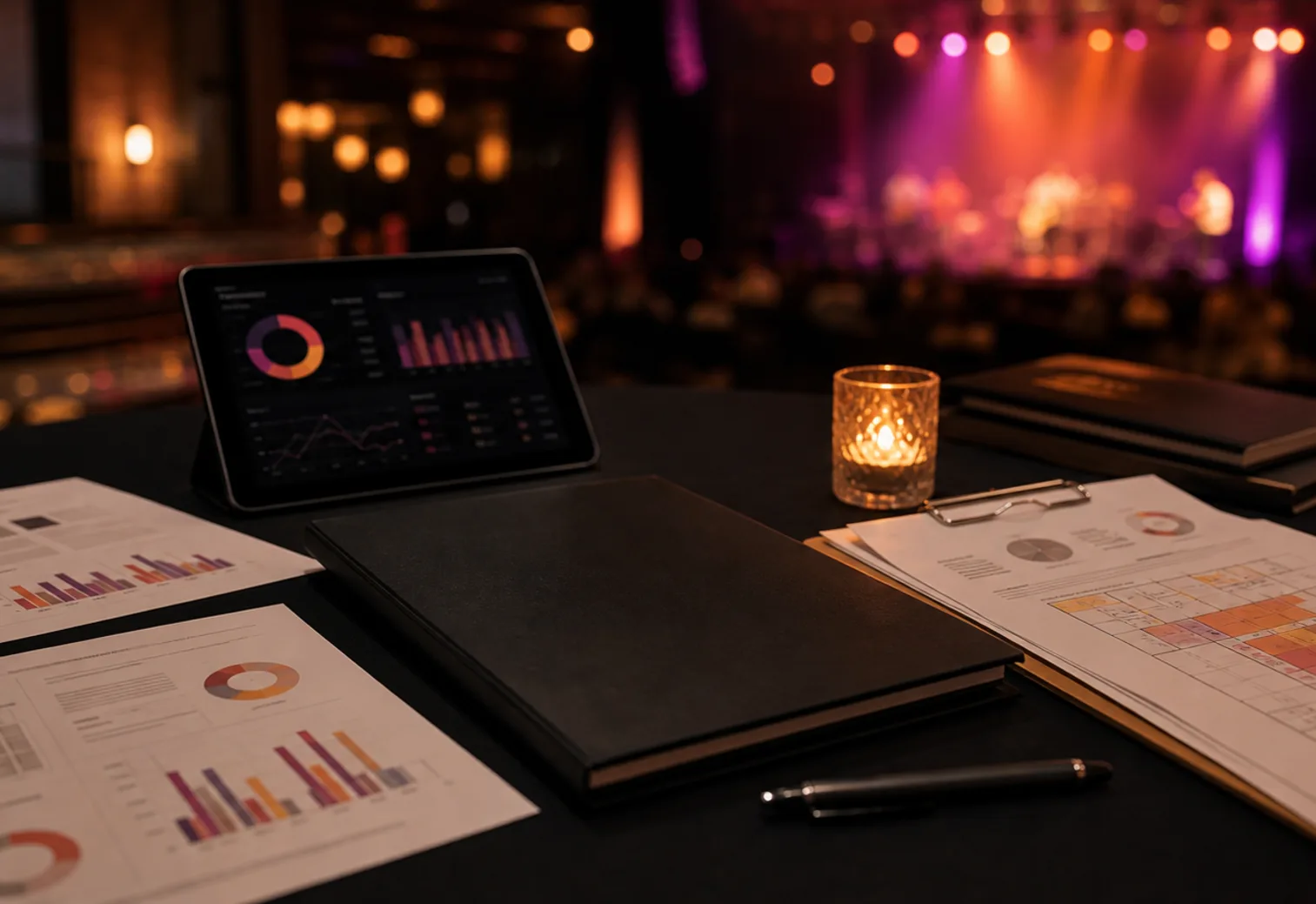
Field observation · labeled evidence
Event Intelligence is for teams that need to plan what should be measured, understand what happened in the room, and produce evidence sponsors, partners, boards, and venues can use. The usual output is a measurement plan before the event and a labeled report after it.
Before, during, and after the event.
Before the event
Define the decisions, sponsor obligations, audience questions, venue assumptions, measurement methods, privacy limits, and field plan before execution begins.
Possible work
- Measurement planning
- Sponsor success criteria
- Audience and community research
- Venue and room strategy
- Registration and survey design
- Evidence and source map
During the event
Capture the useful signals without disrupting the experience or collecting more personal information than the decision requires.
Possible work
- Attendance and flow observation
- Dwell and room use
- Activation engagement
- Field interviews and surveys
- Sponsor delivery checks
- Live issue tracking
After the event
Turn the event record into findings, sponsor proof, operational recommendations, and a clearer next ask.
Possible work
- Sponsor proof pack
- Audience insight report
- Venue intelligence profile
- Event performance review
- Executive summary
- Next-event recommendations
See what Event Intelligence looks like in a real project.
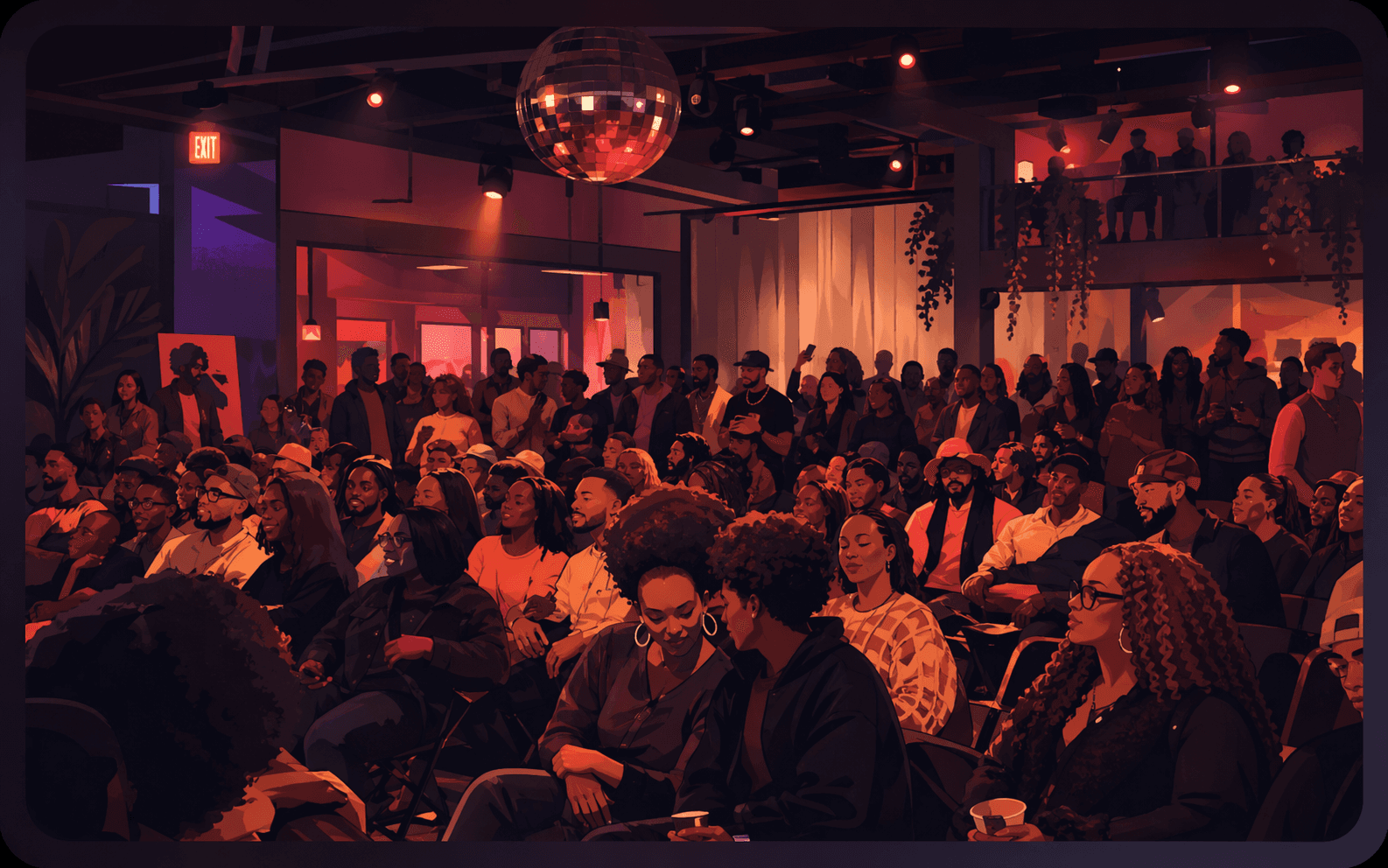
Turning a culturally specific event into usable proof.
A five-layer read of attendance, room movement, participant feedback, trust, sponsor value, and operating performance.
Read the Intelligence case →Questions the work can help answer.
- Did the event reach the audience it intended to reach?
- Where did people spend time, and where did movement break down?
- Which sponsor placements were visible, useful, or ignored?
- What did participants value enough to return for?
- Which operational choices improved or weakened the experience?
- What evidence is strong enough to support the next ask?
The deliverable follows the reader and the decision.
Sponsor Proof Pack
A concise, forwardable account of what was delivered, what was observed, how the evidence was created, and what the next opportunity may be.
Audience Insight Report
A read of participant patterns, feedback, behavior, needs, and experience without treating individual people as the product.
Venue Intelligence Profile
A review of how the room, placement, movement, operations, and physical conditions affected the event.
Event Performance Review
A broader operating read across attendance, audience experience, sponsorship, production, venue, and next-cycle priorities.
Measurement Plan
A pre-event plan that defines the questions, methods, owners, collection points, consent needs, and final outputs.
Use the evidence the event can support.
Depending on the engagement, Octus may use ticketing records, registration, approved surveys, interviews, field observation, venue information, sponsor deliverables, website activity, campaign sources, production records, and client-supplied materials. Each claim is labeled, and the limits are included in the work.
Patterns, not people.
The goal is to understand the experience, not build unnecessary profiles of individual participants. Octus favors aggregate patterns, clear consent, limited collection, and methods proportionate to the decision.
Evidence supports a better ask. It does not guarantee the answer.
A report cannot guarantee renewal or turn a weak event into a strong one. It gives the team a clearer record, stronger reasoning, and a better basis for the next conversation.
Planning an event or making sense of the one that just happened?
Start with the decision the team needs to make and the information already available.